Thai Research on Antibody–Nanoparticle Technology for Dengue Treatment Selected under UNESCO’s International Decade of Sciences for Sustainable Development
Bangkok, Thailand — 24 February 2026
A Thai research project developing antibody-delivering nanoparticle technology for dengue treatment has been selected under UNESCO’s International Decade of Sciences for Sustainable Development (IDSSD), reinforcing Thailand’s role in advancing science-driven solutions to global health challenges while strengthening national health security.
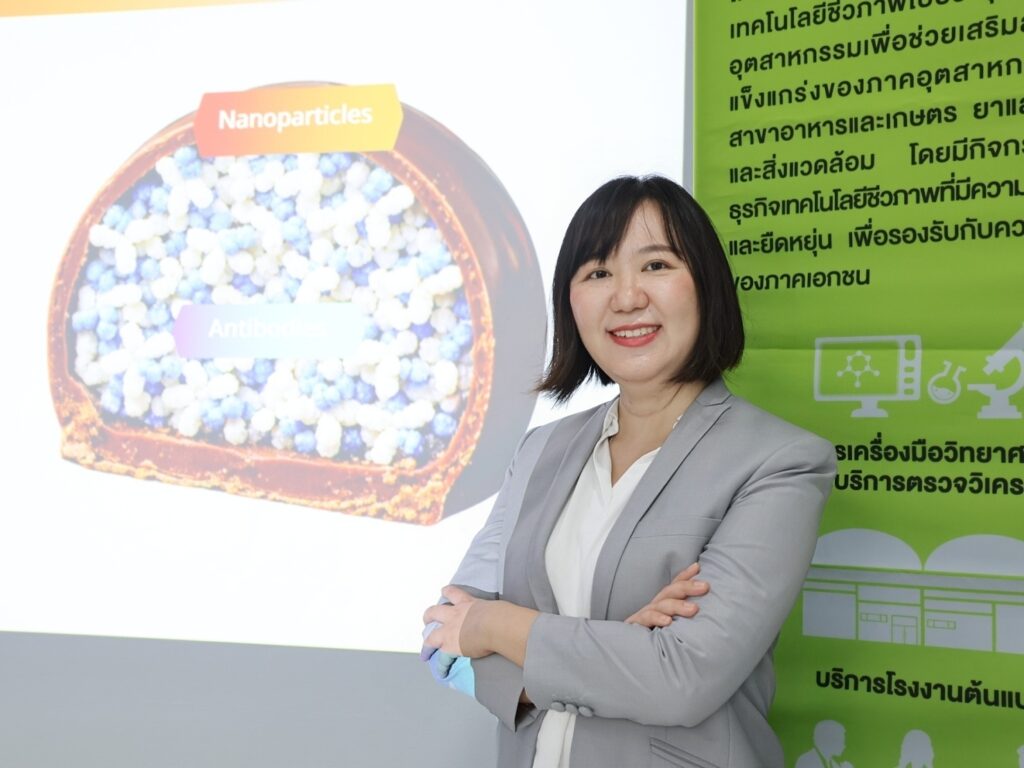
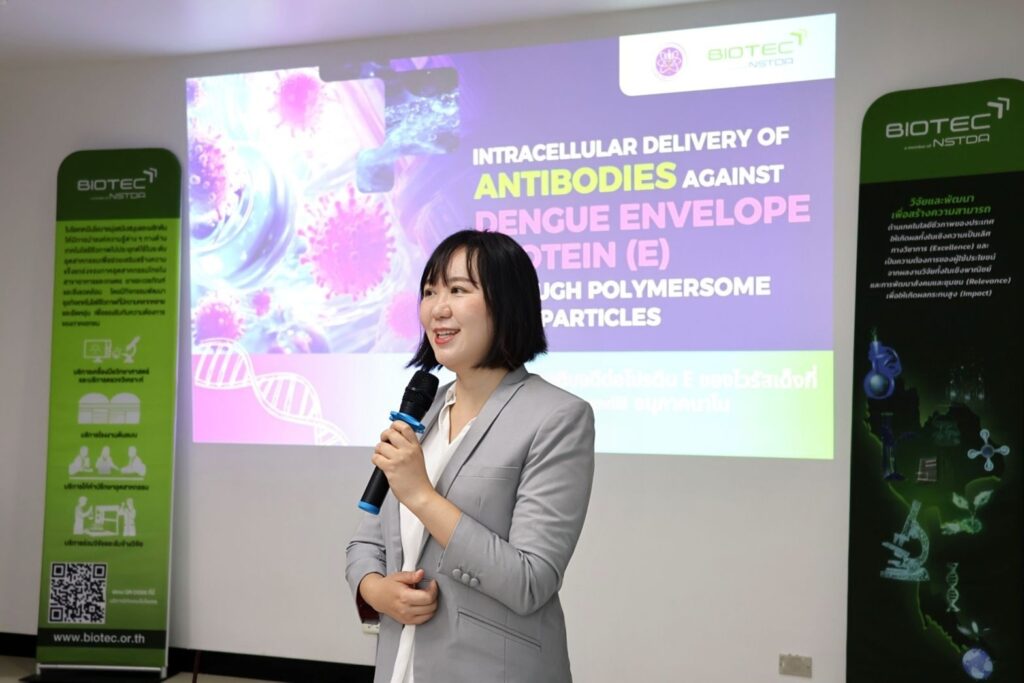
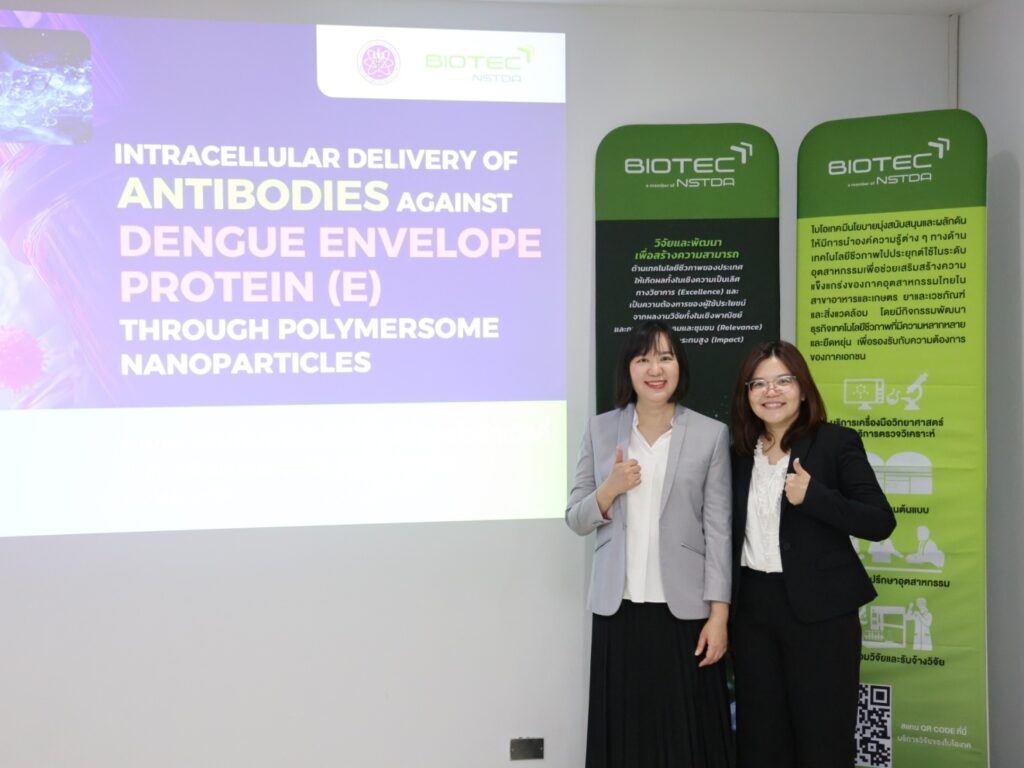
The project, entitled “Investigation of Dengue-infected Cells Treated with Antibody-Nanoparticles: Host and Viral Views,” was presented on 24 February 2026 at the National Science and Technology Development Agency (NSTDA), Yothi Campus. The research focuses on the development of a polymer-based nanoparticle system designed to deliver dengue virus–specific antibodies directly into human cells, with the aim of improving the effectiveness and precision of dengue treatment.
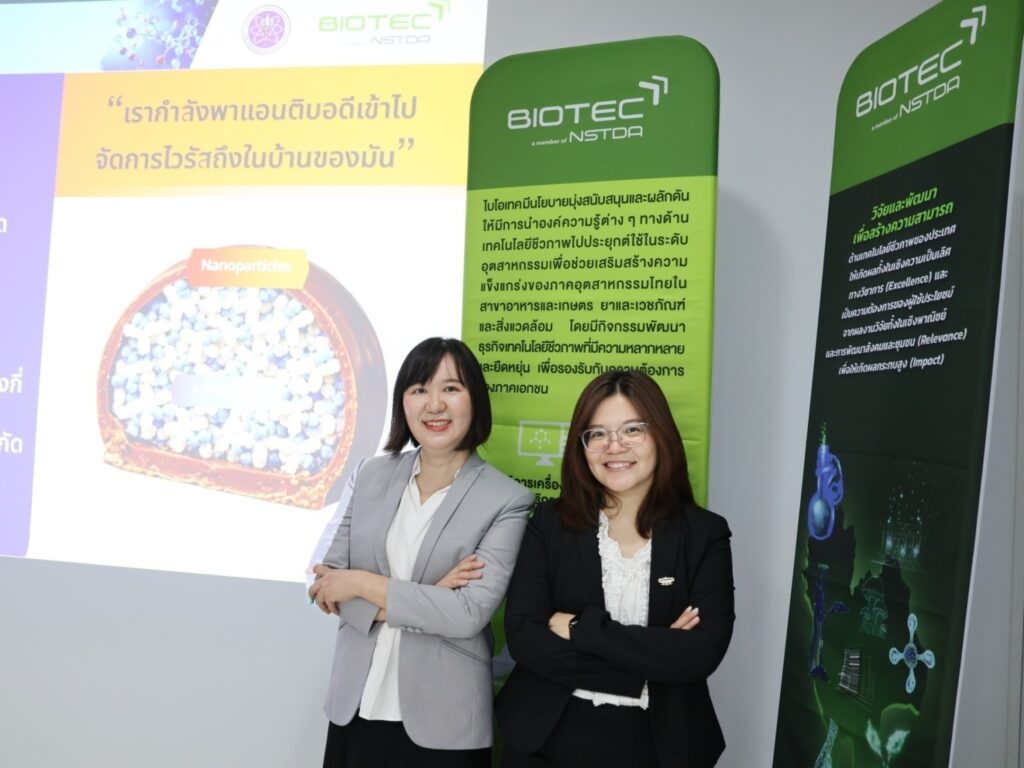
The study is led by Dr. Romchat Kraivong, a researcher from the Molecular Biology of Dengue and Flaviviruses Research Team, Medical Molecular Biotechnology Research Group, National Center for Genetic Engineering and Biotechnology (BIOTEC).
“Dengue remains a major public health challenge in Thailand. Data from the Thai Ministry of Public Health show that in 2024–2025 the disease remained prevalent, with more than 74,000 cumulative cases reported by early September. This underscores ongoing seasonal outbreaks that place sustained pressure on the healthcare system every year,” said Dr. Kraivong. “Our research aims to build domestic scientific capacity to develop more targeted and effective treatment approaches, which is a critical component of Thailand’s long-term health security.”
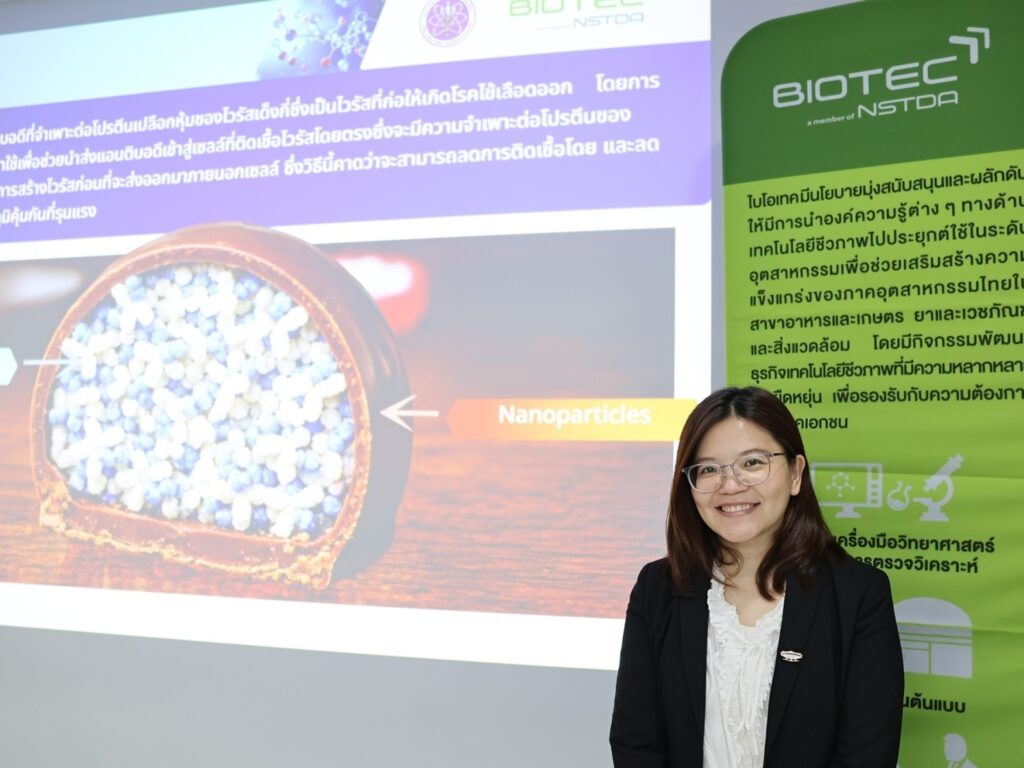
The study serves as a proof of concept for using nanoparticles to encapsulate antibodies, protecting them from extracellular enzymatic degradation while enhancing cellular uptake. Experimental results demonstrate that antibody-loaded nanoparticles can efficiently enter dengue-infected cells, significantly suppress viral replication both inside and outside the cells, and markedly reduce dengue virus–induced cell death.
“By advancing this technology within Thailand, we are not only contributing new scientific knowledge, but also laying the groundwork for future locally driven therapeutic development,” Dr. Kraivong added. “This is essential for reducing reliance on external technologies and strengthening our preparedness for emerging and re-emerging infectious diseases.”
Strengthening Thailand’s Health Security
Beyond its scientific significance, the project directly supports Thailand’s health security by enhancing national capabilities in infectious disease research, therapeutic innovation, and advanced biomedical technologies. The ability to develop and evaluate novel dengue treatment strategies domestically contributes to greater self-reliance, faster response to outbreaks, and improved resilience of the public health system against vector-borne diseases that disproportionately affect tropical countries.
The project is supported by the Alliance of International Science Organizations for the Belt and Road Regions (ANSO) under Project No. ANSO-CR-PP-2021-08. It is conducted in collaboration with Department of Biotechnology, Faculty of Science, Mahidol University; Division of Dengue Hemorrhagic Fever Research of Siriraj Hospital, and Mae Fah Luang University, with advisory support from experts in China and Spain—reflecting strong national and international scientific cooperation.
Selection under UNESCO’s IDSSD framework is expected to further strengthen the project’s capacity to investigate host–virus interactions at the cellular level and to translate scientific knowledge into practical applications. Beyond dengue treatment, the research may also contribute to therapeutic strategies for other infectious diseases of public health importance.
Aligned with the Sustainable Development Goal on Good Health and Well-being, the project is expected to deliver key outcomes, including nanoparticle technology petty patents, publications in international scientific journals, the development of early-career researchers, and the expansion of international research networks. The inclusion of this Thai-led research under UNESCO’s IDSSD underscores the vital role of science, technology, and innovation in advancing sustainable development and national health security in Thailand and beyond.
We use cookies to ensure that we give you the best experience on our website. If you continue to use this site we will assume that you are happy with it.