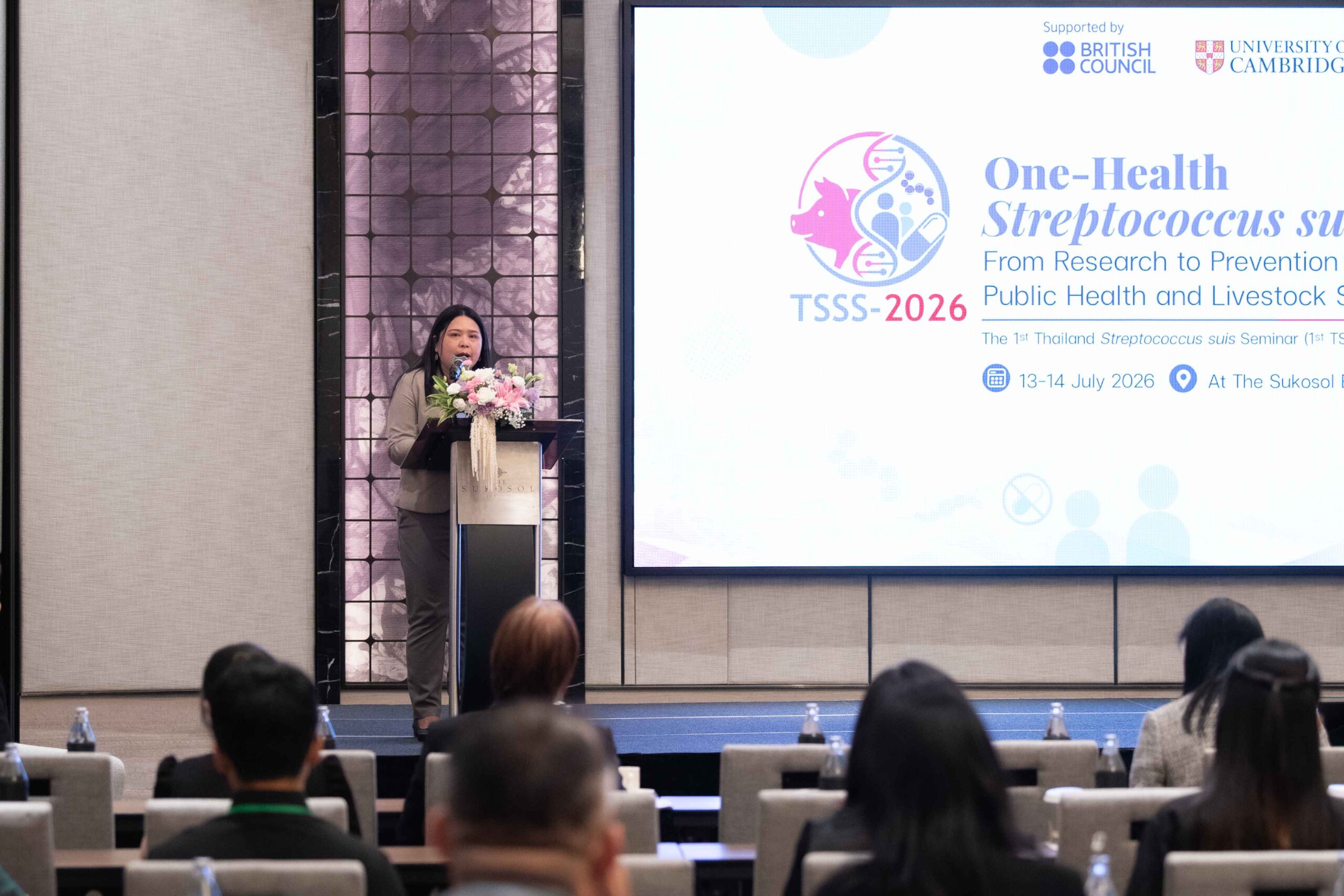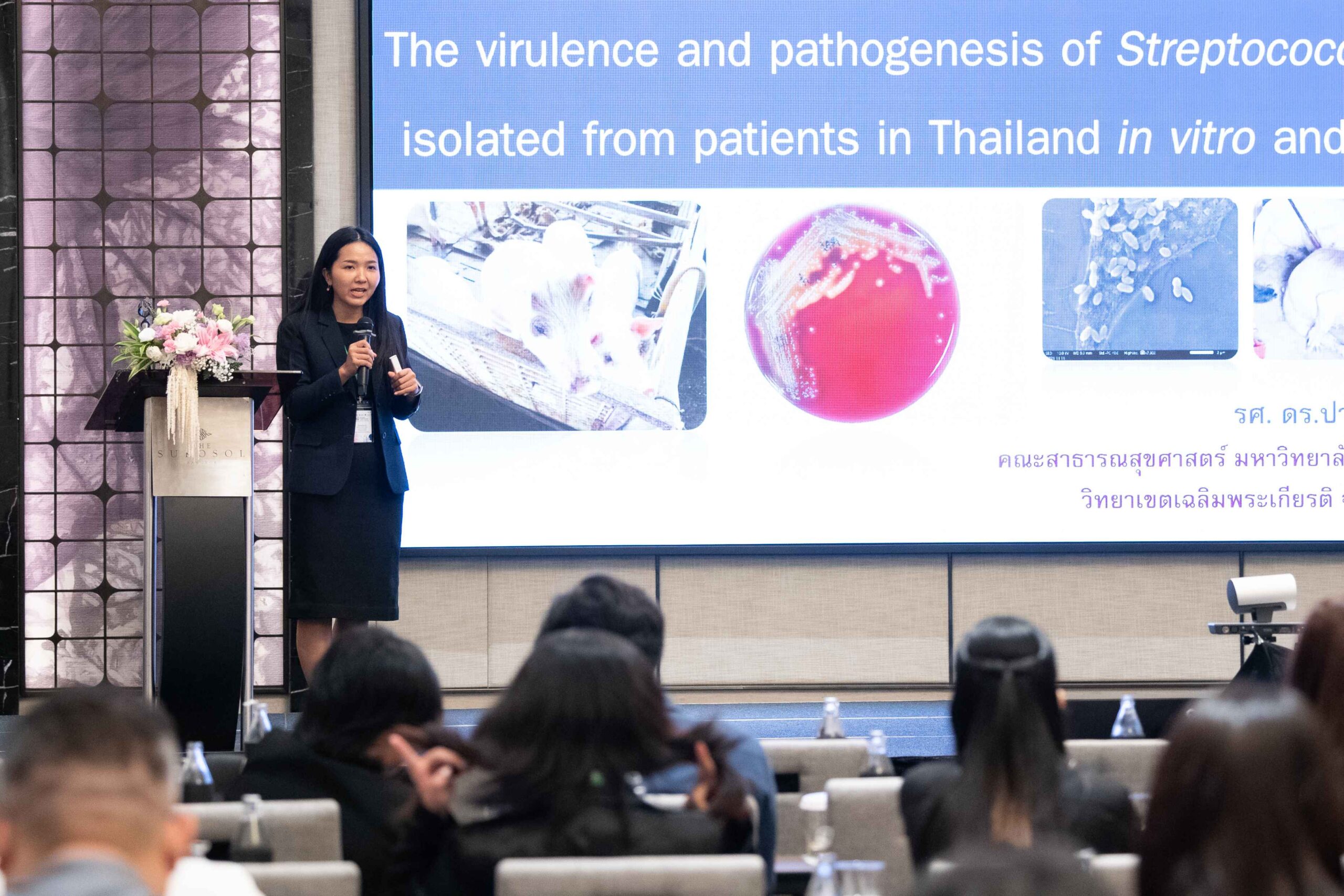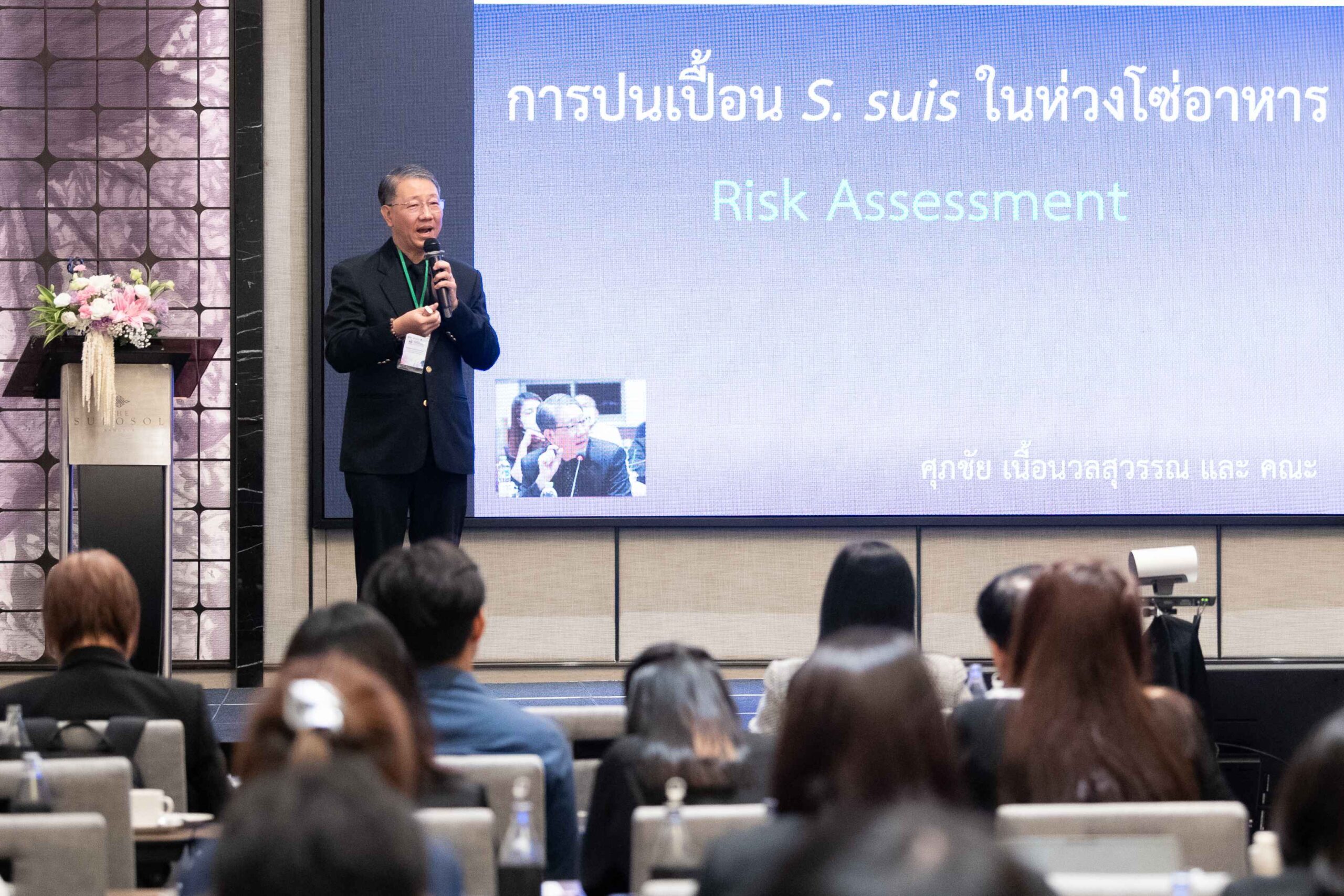



13 July 2026, The Sukosol Bangkok – The National Center for Genetic Engineering and Biotechnology (BIOTEC), National Science and Technology Development Agency (NSTDA), organized the 1st Thailand Streptococcus suis Seminar 2026 (The 1st TSSS 2026) under the theme “One Health Streptococcus suis: From Research to Preventive Approaches for Public and Animal Health Safety” from 13–14 July 2026.
The seminar provides a platform for exchanging knowledge on the epidemiology, antimicrobial resistance (AMR) and genomic epidemiology technologies related to Streptococcus suis, while strengthening collaboration among researchers, public health professionals, veterinarians, and policymakers to develop sustainable approaches for disease prevention and control.
Streptococcus suis infection, commonly known in Thailand as “hearing-loss fever,” is a zoonotic disease receiving increasing attention from the World Health Organization and the international community. As an emerging disease, it poses significant challenges to public health, food security, and the global swine industry, particularly in Asia, where pork production and consumption are high.
- suis is a major bacterial pathogen in pigs and can cause a range of diseases, including meningitis, arthritis, pneumonia, and septicemia. These infections affect animal health and production efficiency, increase treatment costs, and cause economic losses to farmers and the swine industry. At the same time, pigs that show no signs of illness can still carry the bacterium, making disease surveillance and risk management throughout the production chain critically important.
In Thailand, where human cases have been continuously reported, infection can occur through contact with infected pigs or contaminated pork products, as well as through the consumption of raw or undercooked pork. Severe cases may result in meningitis, septicemia, permanent hearing loss, or death. In addition, the growing problem of antimicrobial resistance (AMR), together with gaps in data on the distribution of the pathogen on farms, the relationship between strains found in pigs and human patients, farm management factors, and contamination throughout the food chain, remains a major challenge. Addressing these issues requires integrated research and surveillance based on the One Health approach to support risk assessment, preventive measures, and effective disease control at both national and regional levels.
Asst. Prof. Dr. Chaowaree Adthalungrong, Executive Director of BIOTEC, NSTDA, said that, as Thailand’s national research center for biotechnology, BIOTEC, together with academic and research partners in Thailand and abroad, plays an important role in generating knowledge, developing technologies, and providing accurate and reliable scientific evidence. This work supports public health and livestock authorities, as well as policymakers, in making evidence-based decisions. Key areas include epidemiological studies, investigation of the genetic diversity of the pathogen, antimicrobial resistance surveillance, and the application of genomic technologies to address data gaps and strengthen Thailand’s disease surveillance systems.
Prof. Dr. Lucy Weinert of the Department of Veterinary Medicine, Cambridge Veterinary School, University of Cambridge, Project Principal Investigator, and Dr. Suganya Yongkiettrakul, Principal Researcher at BIOTEC, NSTDA, and Co-PI, explained that the Thailand Streptococcus suis Seminar 2026 is a key activity under a collaborative research project between the University of Cambridge and BIOTEC entitled “Beta-Lactam Resistant Strain Replacement of Zoonotic Streptococcus suis in Slaughtered Pigs from Thailand: Global Risks to Food Security and Public Health.”
The two-year project is supported by the United Kingdom’s International Science Partnerships Fund (ISPF) through the British Council, with funding of GBP 79,509.60, or approximately THB 3.4 million.
The research aims to investigate the prevalence and genomic epidemiology of S. suis, a zoonotic pathogen found in slaughtered pigs, and to study the genetic mechanisms underlying resistance to beta-lactam antibiotics. The project also seeks to understand the patterns and spread of such resistance in Thailand, providing scientific evidence to support the development of surveillance systems, risk assessment, and disease prevention measures.
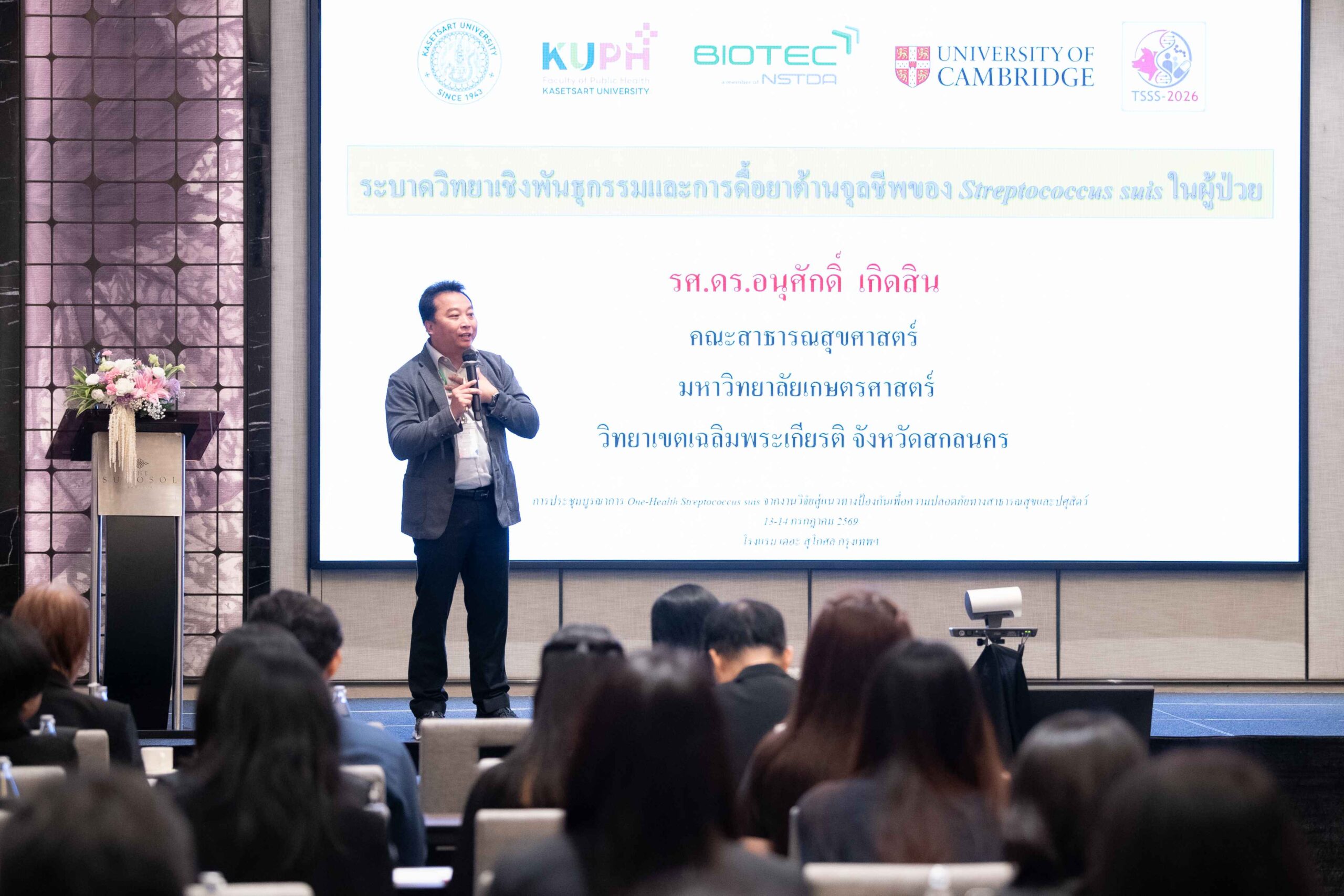
Dr. Yongkiettrakul added that the research findings will help strengthen Thailand’s capacity for antimicrobial resistance surveillance, promote appropriate treatment approaches in both animals and humans and provide reliable scientific evidence to stakeholders in policy, agriculture, and public health.
On this occasion, Ms. Uraiwan Samolee, Head of Education, British Council Thailand, said that the British Council is the United Kingdom’s international organization for cultural relations and educational opportunities. It plays an important role in supporting science, research, and innovation collaboration between the United Kingdom and partner countries worldwide through a range of international cooperation programmes and funding mechanisms, including the International Science Partnerships Fund (ISPF), a UK Government fund.
Support for this research project and seminar reflects the commitment to connecting researchers and experts from Thailand and the United Kingdom to jointly generate knowledge and innovation to address global challenges, particularly zoonotic diseases and antimicrobial resistance. The collaboration also promotes knowledge exchange, research capacity development, and the translation of research findings into improved surveillance systems and evidence-informed policymaking. Through Thailand–UK cooperation, these efforts aim to strengthen public health safety and food security in a sustainable manner.
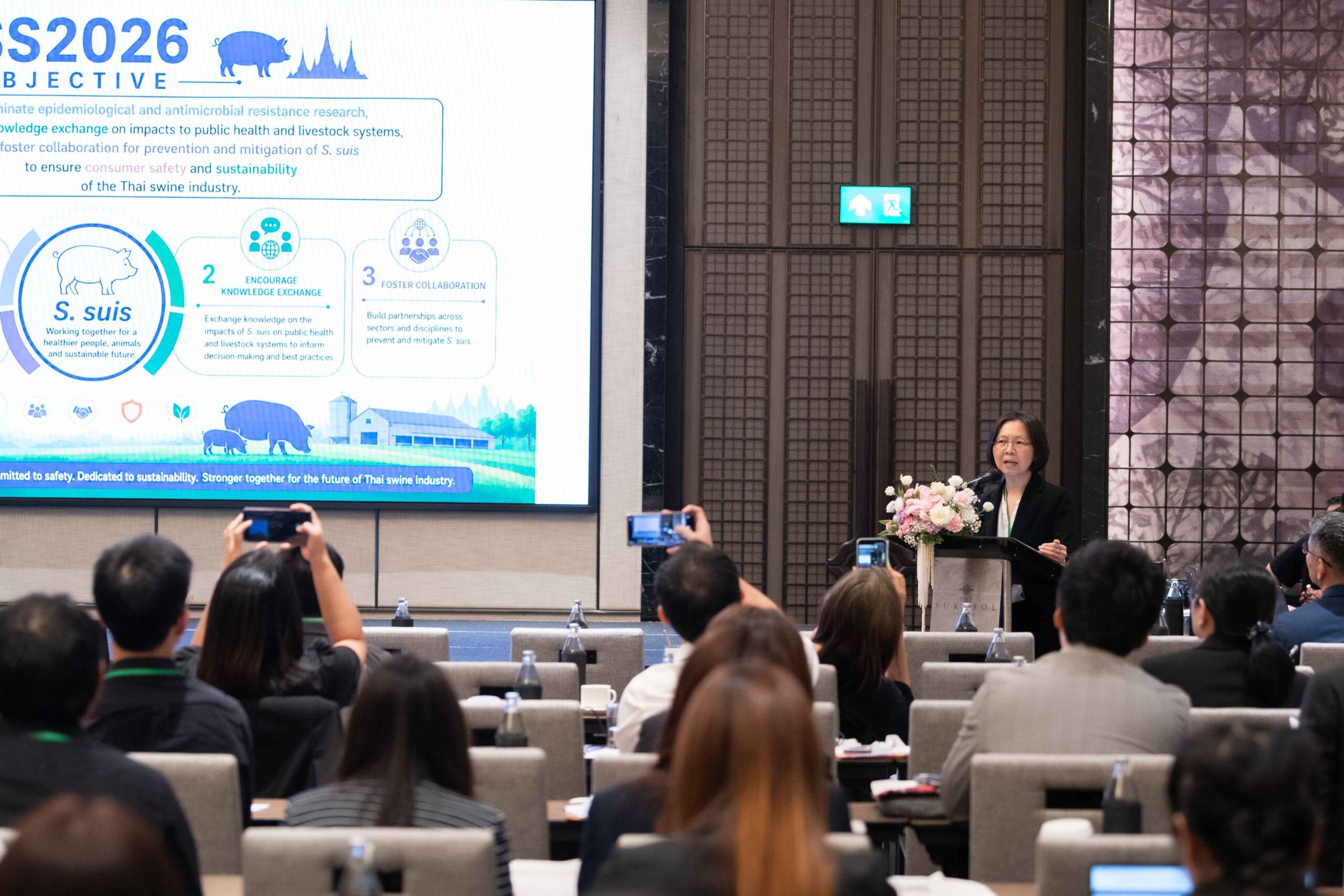
The Thailand Streptococcus suis Seminar 2026 serves not only as a platform for exchanging scientific knowledge and research advances but also as an important starting point for building a collaborative network among researchers, medical professionals, veterinarians, government agencies, industry, and international partners. The network aims to advance the application of genomic epidemiology as an integral part of disease surveillance and antimicrobial resistance monitoring systems.
These collective efforts are expected to contribute to stronger health security, enhanced consumer safety, and the long-term sustainability of Thailand’s swine industry, translating scientific knowledge into practical and measurable benefits for the country.