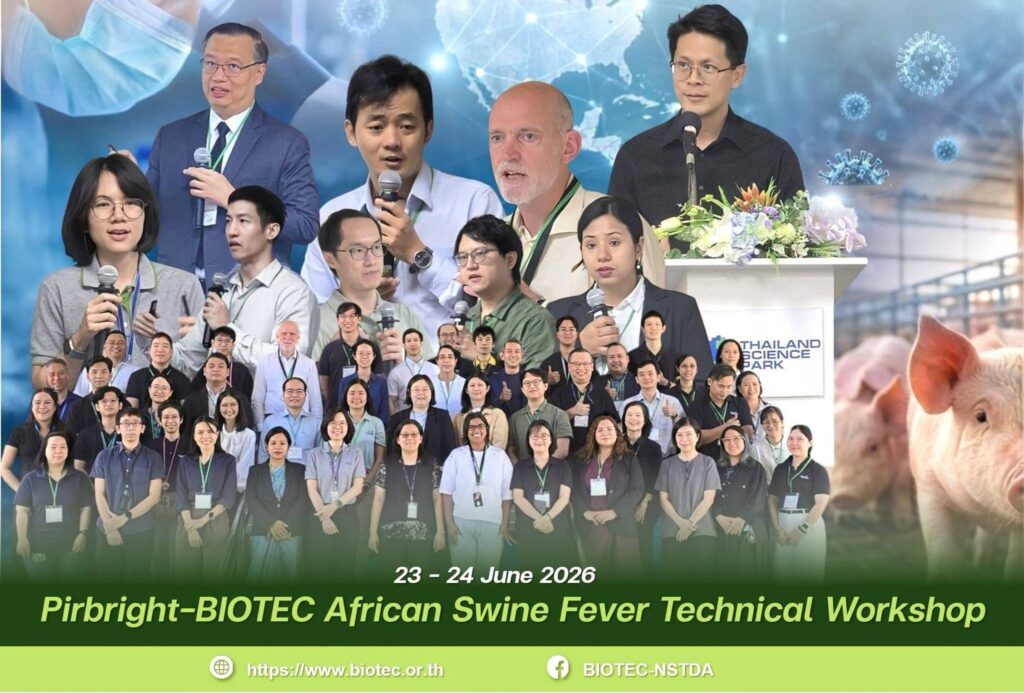
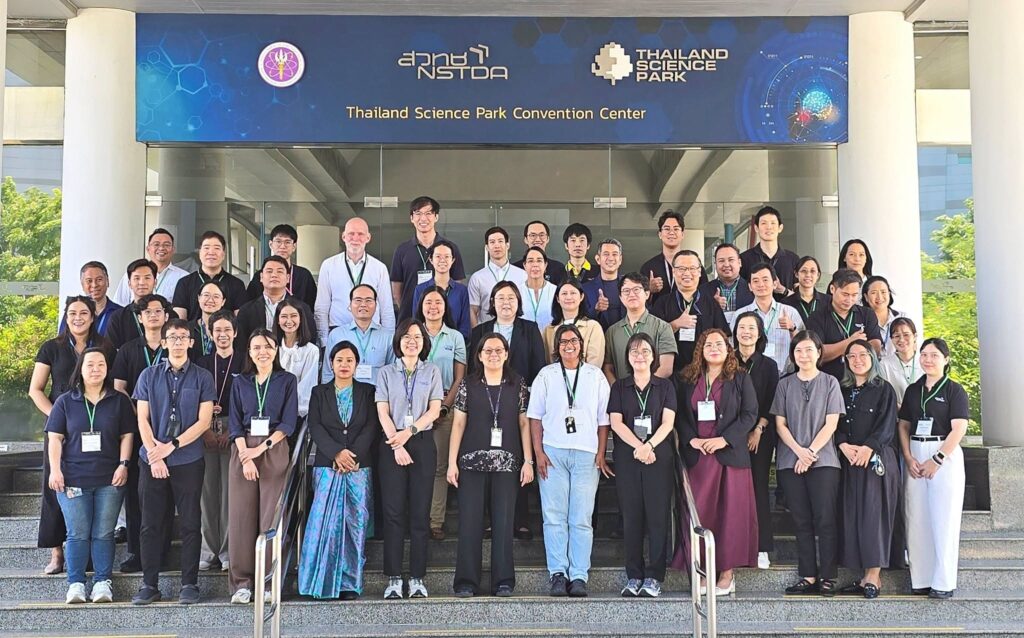
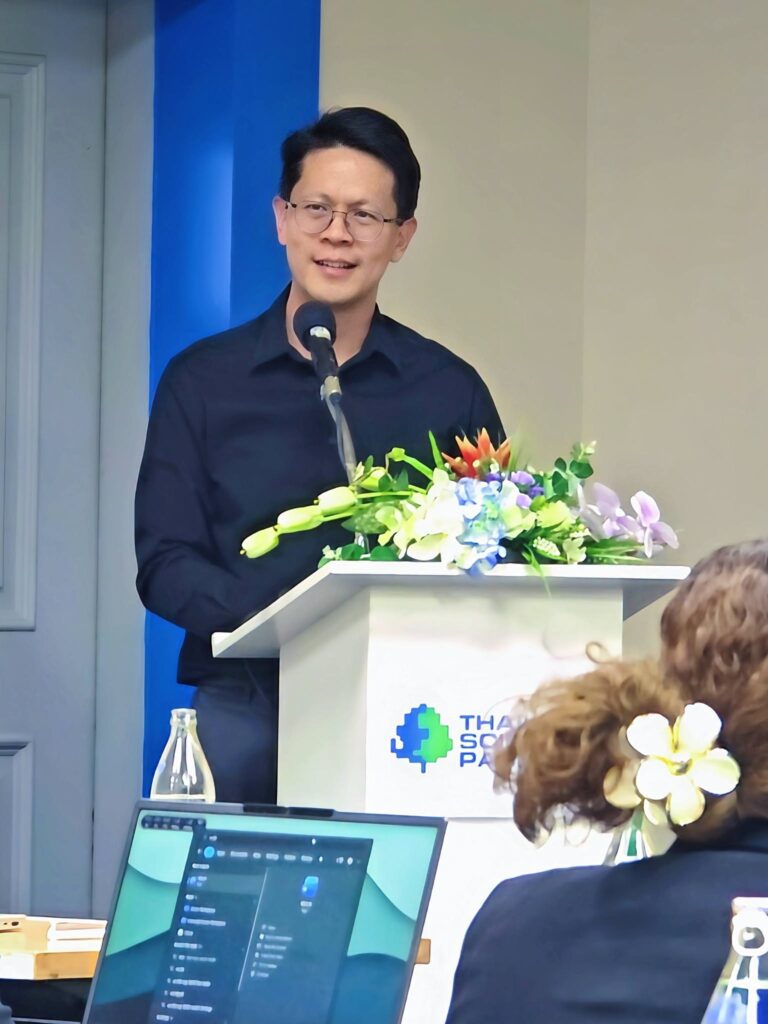
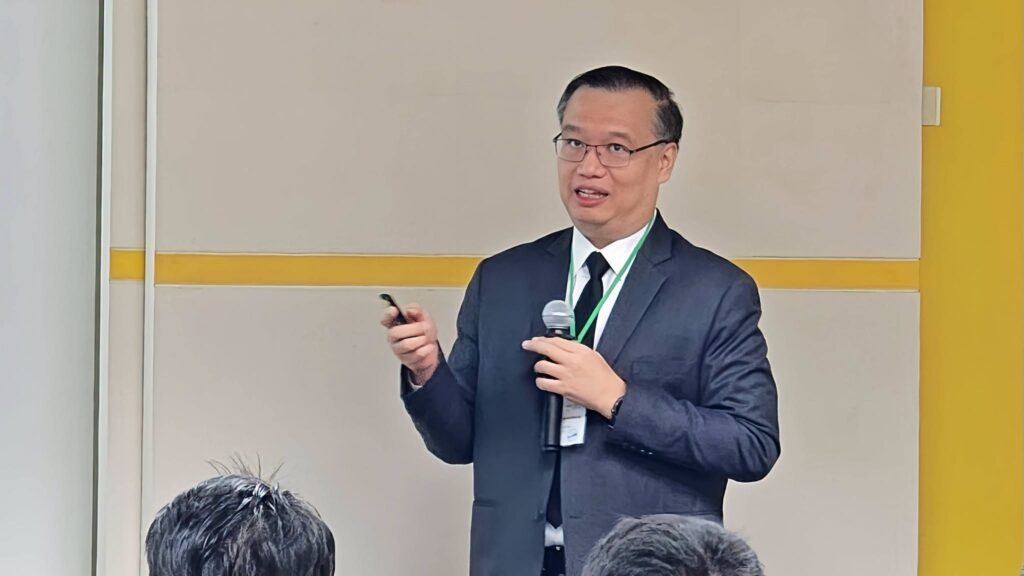
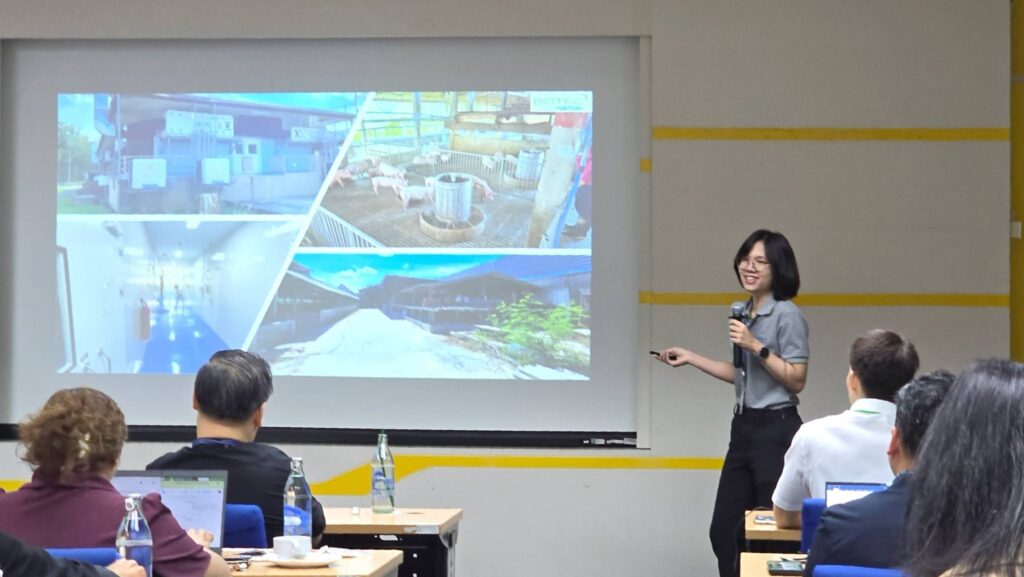
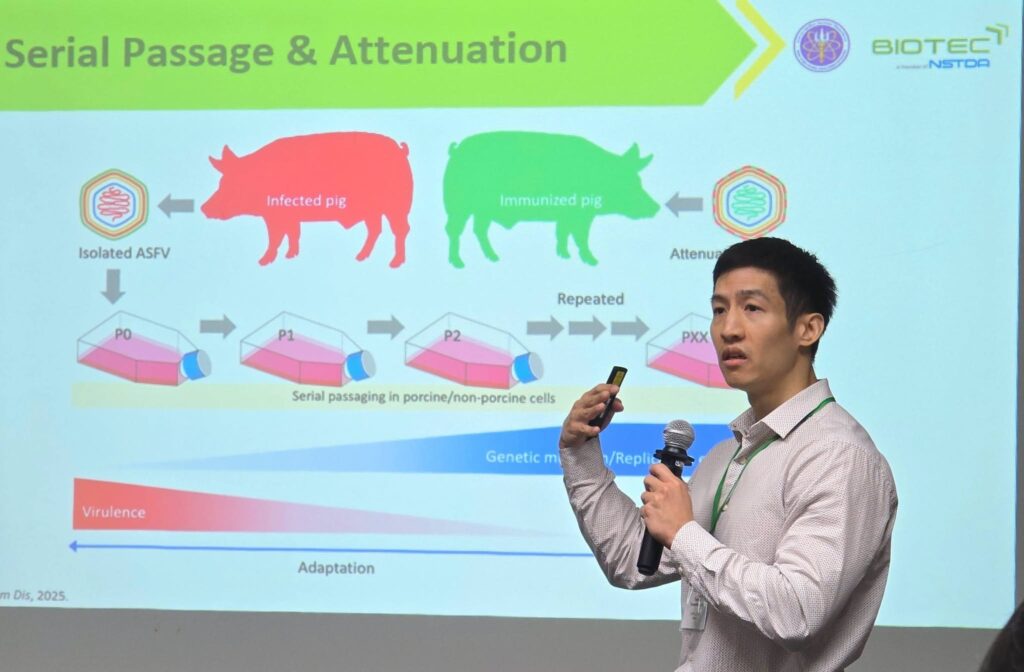
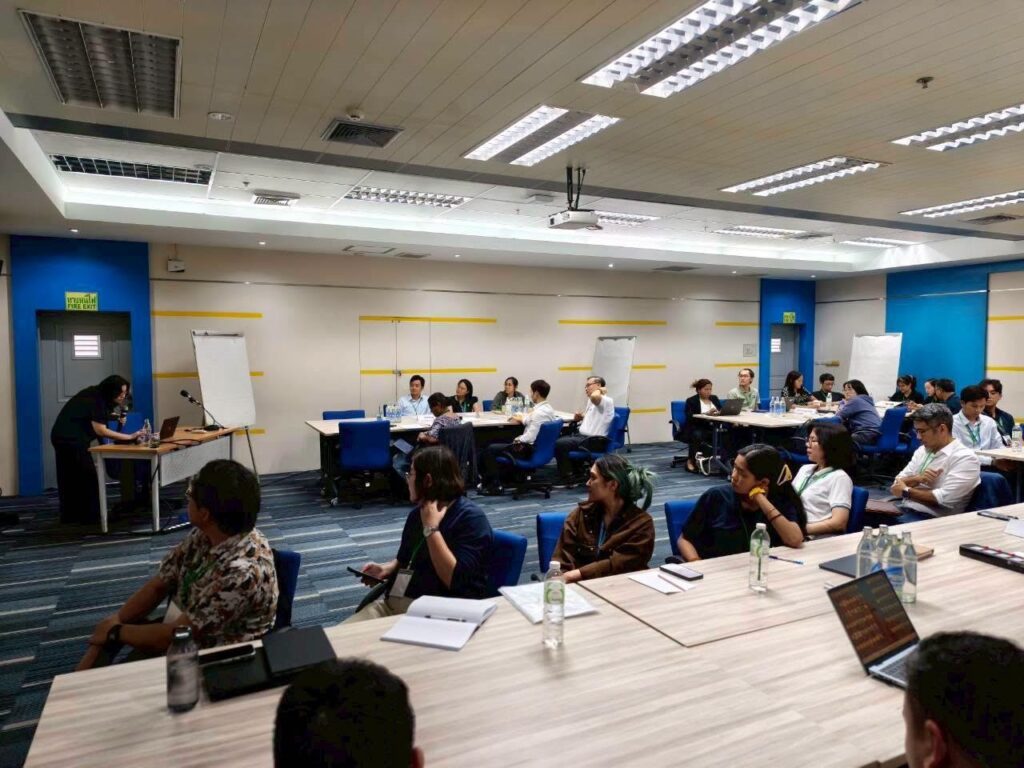
(23 – 24 June 2026) National Center for Genetic Engineering and Biotechnology (BIOTEC) Thailand Science Park Convention Center Khlong Luang, Pathum Thani 12120, THAILAND
African swine fever remains one of the most significant transboundary animal diseases affecting the swine industry globally, with major impacts on food security, farmer livelihoods, and regional economies. Since the emergence of ASF in Thailand and neighboring countries,
there has been an increasing need for strengthened scientific collaboration, improved vaccine evaluation capabilities, and harmonized research and policy approaches across the region.
The Pirbright-BIOTEC ASF Technical Workshop is organized under the collaborative project entitled “Bridging Expertist for African Swine Fever: Regional Perspectives”, a joint initiative
between the African Swine Fever Vaccinology Group (ASFVacc) at The Pirbright Institute, United Kingdom, and the Virology and Vaccine Cell Technology Research Team (VVCT), Veterinary Health Innovation and Management Research Group, BIOTEC. The project is supported under the Knowledge Exchange and Impact (KEI) program of the Pirbright Institute, United Kingdom.
The collaboration aims to facilitate an international knowledge exchange on African Swine Fever (ASF). The workshop is jointly organized by the Pirbright Institute, BIOTEC, Sarawak Infectious Disease Center (SIDC), Malaysia, Department of Agriculture-Livestock
Biotechnology Center, The Philippines and Can Tho University, Vietnam, creating a strategic partnership to enhance regional ASF research capacity through the exchange of expertise, experiences, and best practices. The collaboration also serves as a platform to strengthen long-term scientific ties between the two institutions and foster future regional collaboration in ASF research and preparedness.
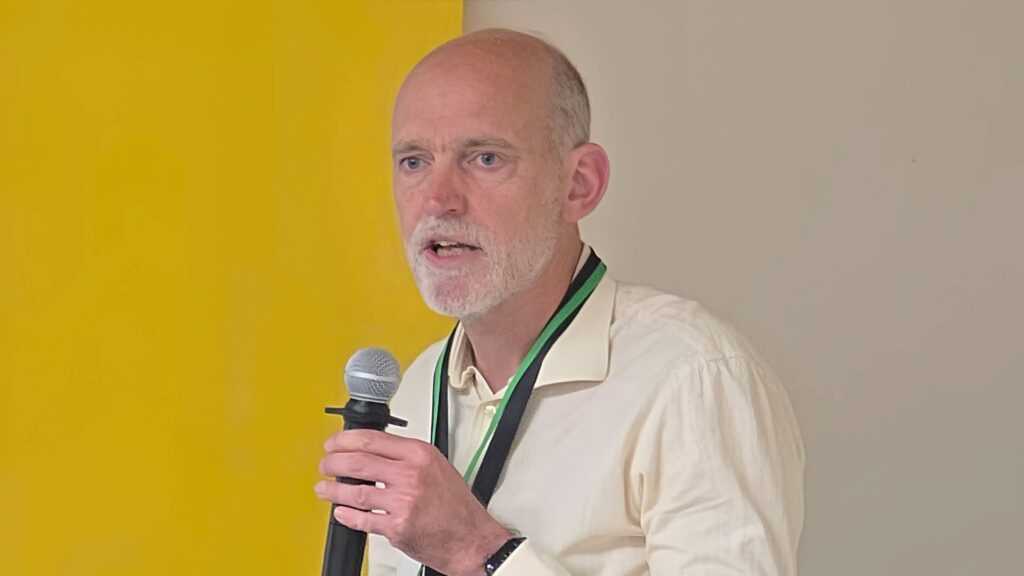
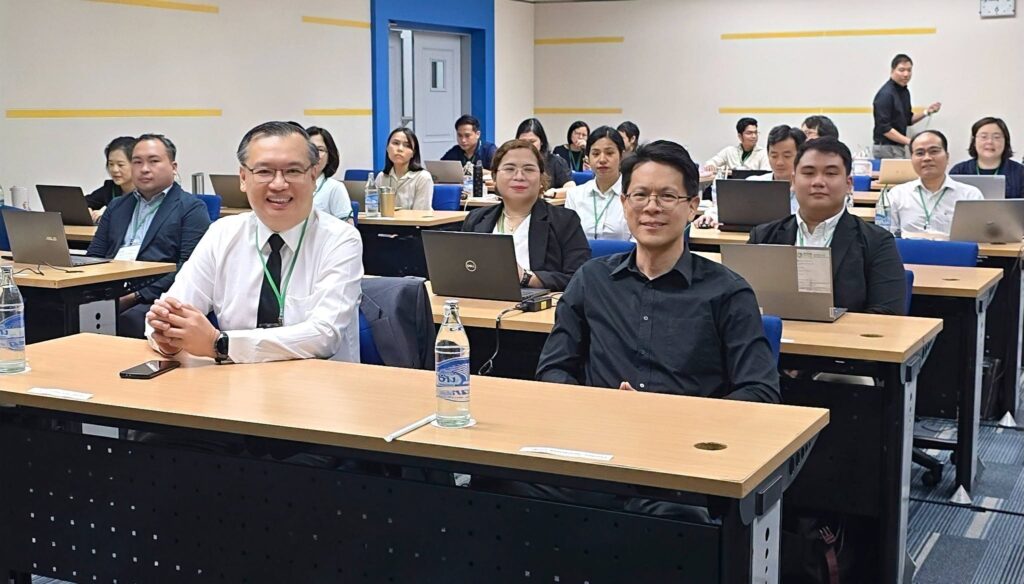
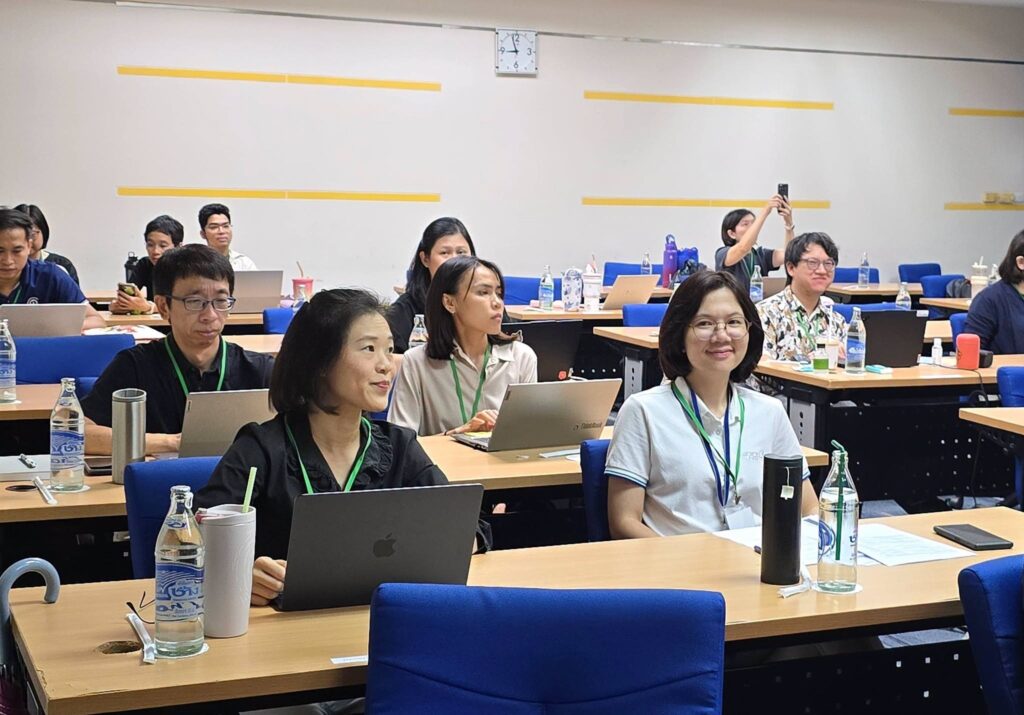
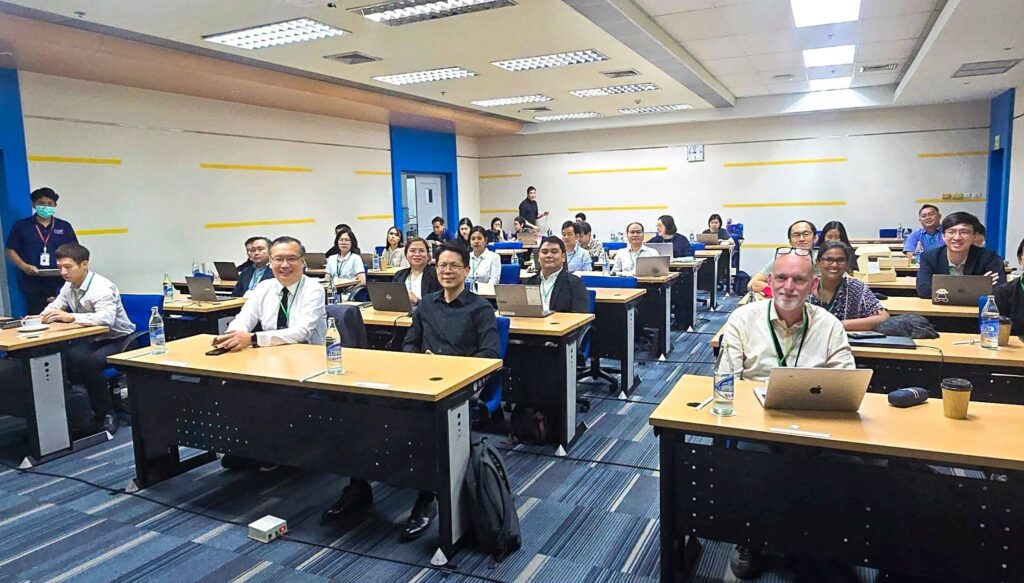
This Workshop serves as one of the key activities under the project and provides a platform for researchers, veterinarians, and stakeholders from multiple countries to exchange experiences and discuss current advances and challenges in ASF research and control. The program includes technical sessions on ASF virology, vaccine development, immunological methods, genomics, field implementation, and international guidelines, alongside interactive gap analysis and discussion sessions to identify future collaborative opportunities and regional priorities. The Workshop is expected to strengthen regional networks, promote knowledge sharing, and contribute to the long-term goal of advancing ASF preparedness, vaccine research, and evidence-based disease management strategies in Southeast Asia.
We use cookies to ensure that we give you the best experience on our website. If you continue to use this site we will assume that you are happy with it.